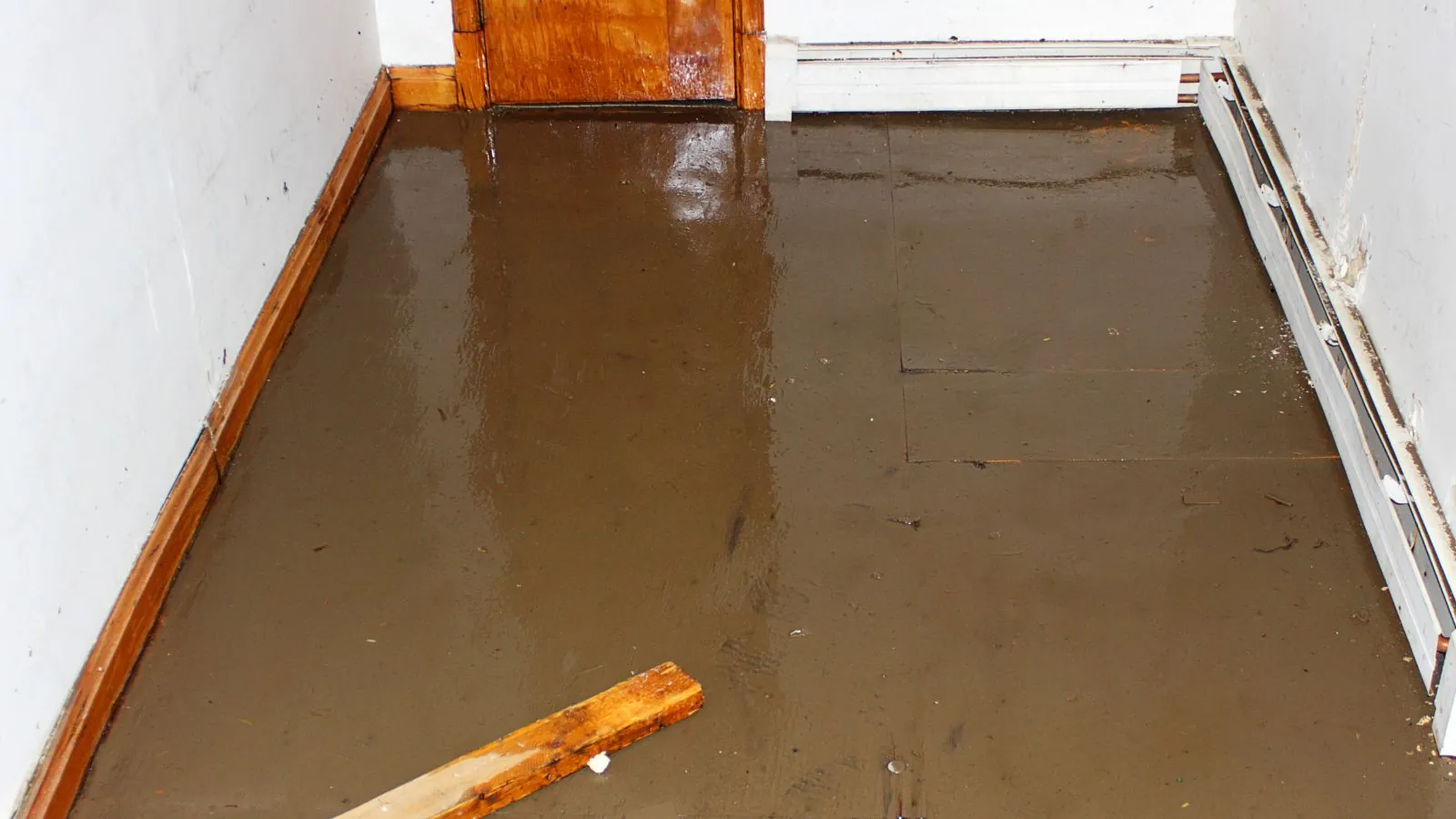
Emergency basement water damage cleanup in Glastonbury covers standing water, wet finished space and soaked contents in the below-grade rooms of a home. Basements can take on water from a failed sump pump, a heavy rainstorm, a plumbing leak or a backed-up drain, and the damage depends on the source.
The phone line is open 24/7. If your basement has flooded, stay out of the water if outlets, appliances or the panel may be live. Call 911 or your utility for electrical danger. Move what you can from above the waterline and photograph the water level before extraction.
When a basement flood is an emergency
Deep water in a basement can reach furnaces, water heaters, panels and stored belongings within hours. Water entering from outside or from a drain may be contaminated. A sump pump that has stopped is a common trigger, and a rain-driven flood can keep refilling the space.
If the power is on and water is rising, leave the basement, and do not touch switches.
Electricity and basement water
Never enter standing basement water if the power may be on. Wait for the utility or an electrician to make it safe.
Common ways basements take on water
Sump pump failure
A pump that loses power or stops lets groundwater rise. Cleanup is covered here, pump repair is a plumbing matter.
Heavy rain and runoff
Water seeps or pushes in through walls and floors.
Plumbing and appliances
Burst lines and water heaters flood the lower level.
Drain backups
Sewage and storm drains can back up into floor drains.
Groundwater
A high water table pushes in from below.
Call now.
How a basement is dried
- 1
Extract
Pumps remove standing water.
- 2
Remove soaked finishes
Carpet, pad and low drywall are pulled if wet.
- 3
Move and sort contents
Salvageable items are separated.
- 4
Dry
Dehumidifiers matter most below grade.
- 5
Rebuild
Finishes are restored after drying.
Cleanup versus waterproofing
Restoration removes water damage. Waterproofing, drainage and foundation repair are different trades that address why water entered. If your basement floods repeatedly, ask a drainage or foundation professional about causes after the cleanup.
For contaminated water, see sewage backup cleanup, and for rising outside water, see flood damage cleanup.
Basement water compared
| Source | Water type | Typical handling |
|---|---|---|
| Burst pipe | Clean | Extract and dry |
| Sump failure after rain | Often Category 2 or 3 | Clean, sanitize, dry |
| Drain backup | Category 3 | Contain and remove |
| Seepage | Varies | Dry and assess |
What affects the scope and price
The scope and price are explained before work starts.
Finish level
Finished basements add drywall, carpet and trim.
Water category
Contaminated water adds removal.
Depth and time
Longer exposure means more damage.
Contents
Stored items add sorting.
Salvaging contents from a wet basement
Items stored in cardboard boxes absorb water quickly, while plastic bins protect contents better. Photographs, paper documents and electronics need special care, so sort them first and dry paper flat if you can. Furniture with stuffing and particleboard shelving often cannot be saved.
Hard goods such as glass, metal and sealed plastic can be washed and dried. Keep a list of discarded items for your insurer, with photos taken before disposal.
After the water is out
Dehumidification is the main event in a basement because the air is cool and humid and surfaces stay wet longer. Equipment may run for several days, and readings are taken daily. Concrete walls and floors may feel dry before their moisture level drops enough for new flooring.
Waiting for readings before rebuilding avoids a floor that lifts or a wall that stains after repair.
The standard behind the work
Below-grade drying is monitored with readings until materials reach a goal. The method follows ANSI/IICRC S500, which we name as the reference and not as a credential.
Insurance note
Coverage varies. Sump pump failure and sewer backup are often excluded unless an endorsement was added, and flood is usually excluded. Ask your insurer.
Glastonbury and Marlborough basements
Calls come from 06033, 06073 and Marlborough. Check the FEMA flood map and ask the Glastonbury Building Department what applies to your address.
Questions people ask
Do you handle basement water damage emergencies at night or on weekends in Glastonbury?
Yes. The line is open 24/7.
Can you waterproof my basement?
No. Waterproofing is a different trade. We handle water damage restoration.
Is wet drywall always removed?
Not always. Readings and water category decide.
Should I run a dehumidifier?
It helps, but standing water must be extracted first.
How do I stop it happening again?
Ask a drainage or foundation specialist about the cause.
The line is open 24/7.