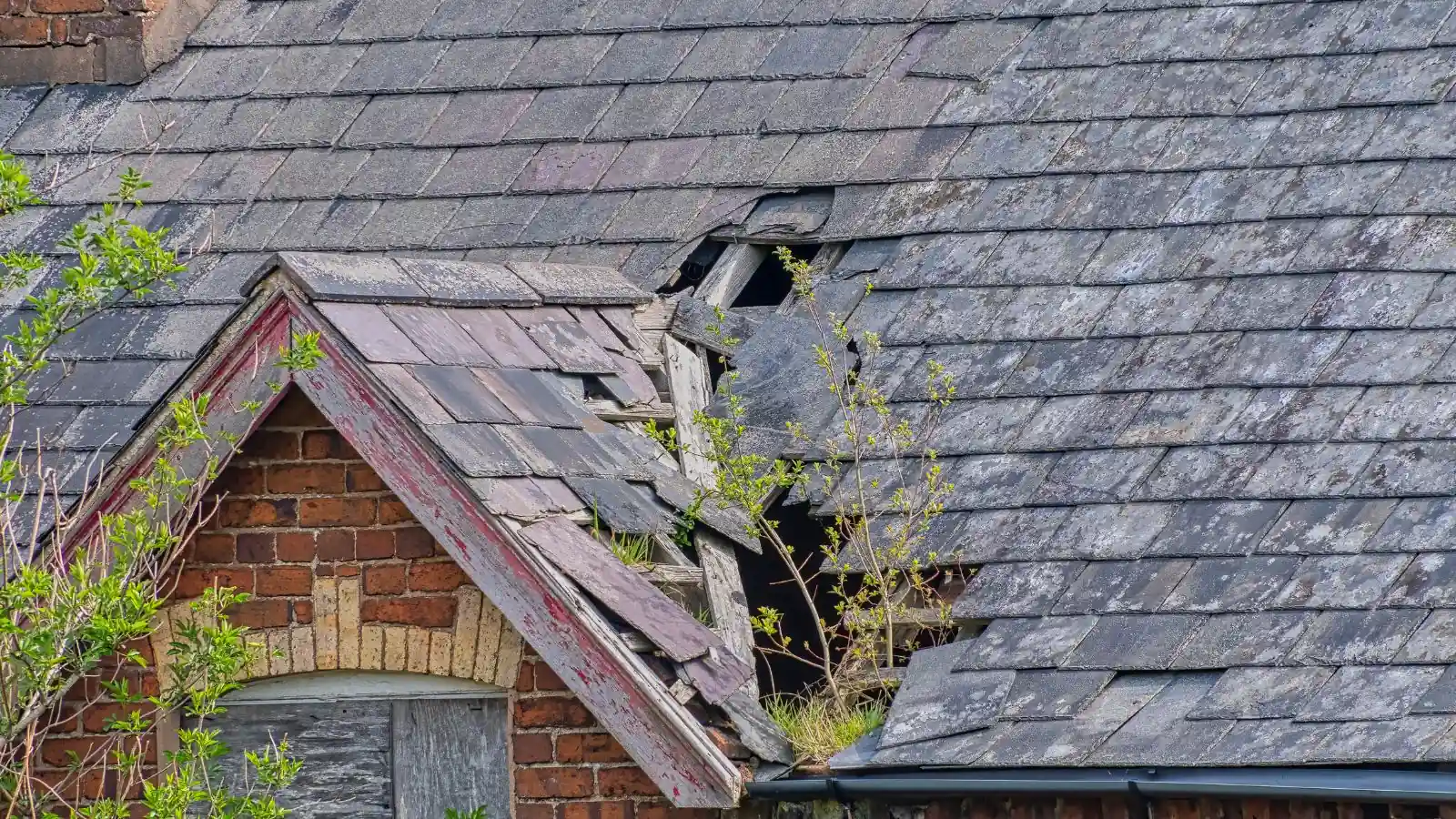
Emergency storm water damage cleanup in Glastonbury covers water that enters through the building envelope during wind and rain events, such as through roofing, windows, doors, walls and vents. This differs from rising water, which is covered under flood damage.
The phone line is open 24/7. When it is safe, photograph the damage, move belongings away from leaks, and place containers under drips. Do not climb on a wet roof. A roofer can tarp and repair the opening, and restoration handles the water inside.
When storm water is an emergency
Water entering through a roof or window can soak insulation, ceilings and walls quickly, especially in wind-driven rain. Falling trees or debris can open the building to more water.
Treat active leaks, sagging ceilings and wet electrical areas as urgent.
Stay safe during the storm
Wait until the weather passes before inspecting a roof or yard. Report downed power lines to the utility and 911.
How storm water gets in
Roof and flashing
Missing shingles and gaps around chimneys and vents.
Windows and doors
Wind drives rain past worn seals.
Walls and siding
Water finds gaps behind siding.
Gutters and downspouts
Overflow soaks fascia and walls.
Attic vents
Wind-driven rain enters through louvers.
Call while materials are wet.
Cleanup and drying
- 1
Temporary protection
A roofer tarps or boards the opening.
- 2
Extract and remove
Standing water and wet insulation are removed. See water extraction.
- 3
Dry
Drying equipment runs until readings are normal.
- 4
Repair
Interior finishes are restored. See ceiling repair.
Storm water versus flooding
| Source | Direction | Page |
|---|---|---|
| Rain through roof or wall | Downward and inward | This page |
| River or brook overflow | Rising from outside | Flood damage cleanup |
| Basement seepage | Below grade | Basement water damage |
What affects the scope and price
The scope and price are explained before work starts.
How long water entered
Hours or days of exposure.
Insulation and framing
Wet materials add removal.
Number of rooms
More rooms mean more equipment.
Temporary protection
Tarping is a roofer task.
What to document after a storm
Take wide photos of each wet room and close-ups of stains, drips and any visible openings. Note the date and time the water appeared, and keep wet materials you remove if possible until an adjuster has seen them. If a window, door or section of roof was damaged, photograph it from the outside when it is safe.
This record helps separate storm damage from older wear, which insurers often ask about.
Why wet insulation and attics matter
Roof water usually reaches the attic first. Insulation there soaks up water and holds it against the ceiling below, so a small opening can lead to a large wet area. Dry-looking ceilings can still hold water above them.
Because attics are warm and dark, damp insulation also raises mold risk if it is left in place. Removal and drying of attic material is a common part of a storm job.
Common storm leak spots checked inside
Interior checks often start at attic hatches, window corners, exterior door thresholds, wall outlets on exterior walls and the ceiling beneath roof valleys. Look for staining, bubbling paint and damp insulation. Garage ceilings and finished bonus rooms under the roof are also common places for storm water to show up.
Moisture meters help trace the path, which often differs from where water drips.
Ice dams and winter storm water
Snow that melts on a warm roof and refreezes at the cold edge can form an ice dam, which backs water up under shingles and into the attic. The damage appears as stains on exterior walls and ceilings near the eaves. Removing snow carefully and improving attic insulation and ventilation are long-term fixes that belong to roofing and insulation trades.
After the water gets in, the restoration work is the same as for any storm leak, with extraction, removal of wet insulation and drying.
The standard behind the work
Storm losses are sorted by water type and by how long materials stayed wet. The sorting follows ANSI/IICRC S500, cited here as a published standard.
Insurance note
Windstorm and rain damage may be covered depending on policy terms, and storm events may carry separate deductibles. Ask your insurer and photograph everything. Flood from rising water is usually excluded.
Calls after a storm
The line covers 06033, 06073 and Marlborough.
Questions people ask
Do you handle storm water damage emergencies at night or on weekends in Glastonbury?
Yes. The line is open 24/7, including during and after weather events.
Do you tarp roofs?
No. A roofer does that. We handle the interior water.
Does insurance cover storm damage?
Often, depending on the policy. Ask your insurer.
Should I wait for the storm to end?
Stay safe first. Call whenever you can, and document the damage.
What if a tree hit the house?
Call 911 for danger, and then call us for water cleanup.
The line is open 24/7.