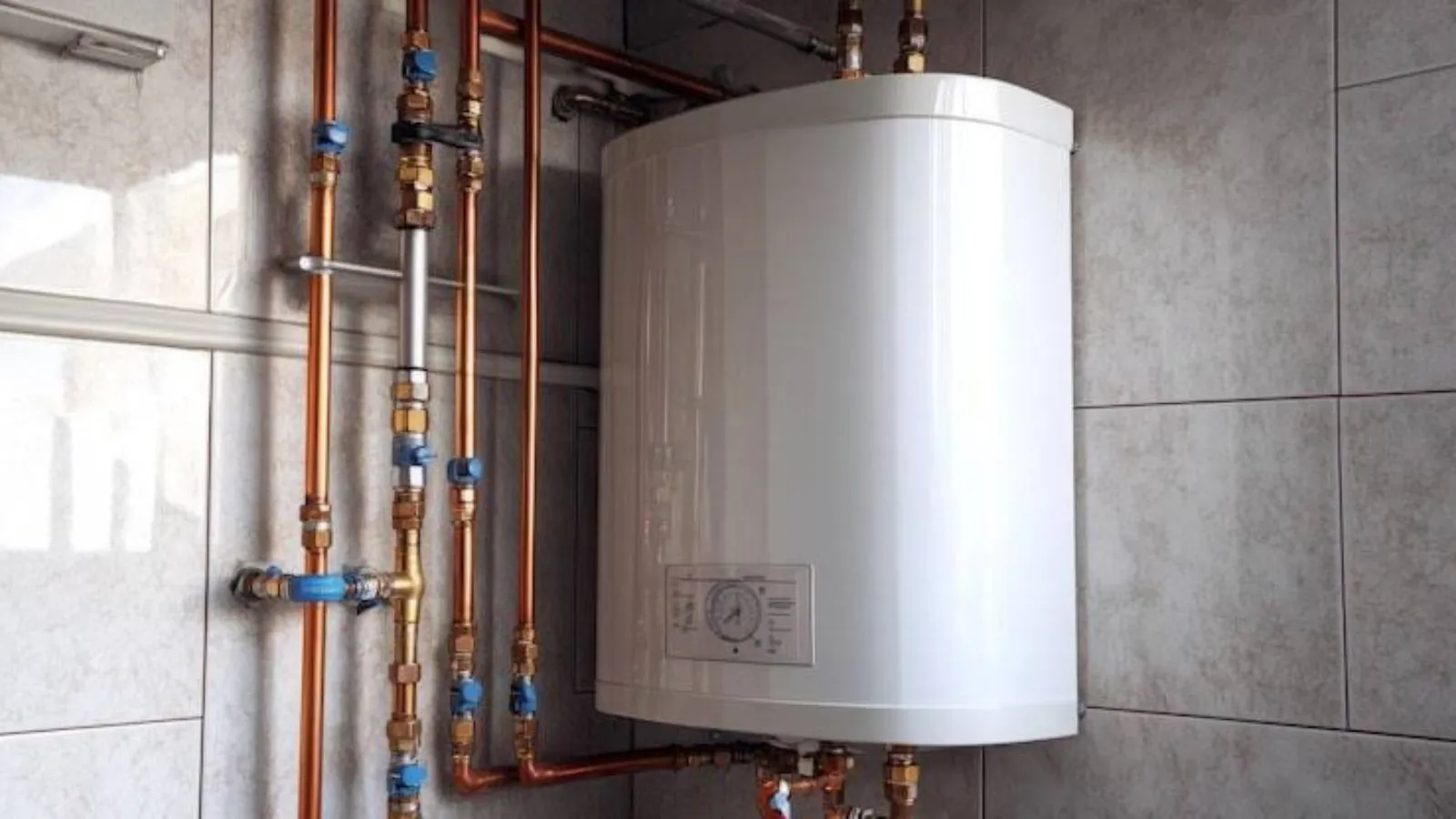
Emergency water heater leak cleanup in Glastonbury deals with the water, not the heater. A tank can leak slowly from a fitting or fail all at once, and the water spreads across a basement, closet or utility room, soaking drywall, flooring and anything stored nearby.
The phone line is open 24/7. First find the cold water shutoff on the pipe above the heater and turn it off. Then switch off the power at the breaker for an electric unit, or turn the gas control to off or pilot for a gas unit, but only if you can do it without standing in water. If you smell gas, leave the home and call 911 or your gas utility.
When a leaking water heater is an emergency
A steady drip from a valve is a warning. Water pooling around the base, a rusty puddle or a heater that is making rumbling sounds and leaking means the tank may be failing. Water around a gas appliance or electric element is a safety issue before it is a cleanup issue.
Keep everyone out of standing water near the unit and keep pets away from hot water that has spilled.
Gas and electric hazards
Do not touch the heater or its wiring while standing in water. If a gas smell is present, do not flip switches. Leave and call 911 or your gas company.
Where the water goes
Heaters often sit in basements, garages, closets or utility rooms. Water spreads across slab or subfloor, wicks into drywall at the base and soaks cardboard boxes, laundry supplies and stored items. In a closet or an upstairs unit, it can leak through the floor to the ceiling below.
That is why a water heater job often involves basement water cleanup, drywall repair or ceiling repair afterward.
Call the 24/7 line while the area is still being contained.
The cleanup steps
- 1
Confirm the water is off
Supply is closed, the heater is isolated and the area is safe.
- 2
Extract
Water is pumped or vacuumed from floors and carpet.
- 3
Remove soaked materials
Cardboard, insulation and damaged baseboard are pulled.
- 4
Dry
Air movers and dehumidifiers dry the floor and wall bases.
- 5
Repair
Drywall, flooring and paint are restored after readings are normal.
Common failure signs
| Sign | Meaning | Action |
|---|---|---|
| Moisture at the tank base | Tank seam or fitting leak | Shut off supply, call a plumber, call the line for drying |
| Water from the relief valve line | Pressure or temperature relief working | Have the unit checked |
| Rust-colored water | Tank corrosion | Plan replacement |
| Pool under a gas unit | Safety risk | Leave if gas is smelled |
Permits and replacement
The Glastonbury Building Department lists replacement of boilers, furnaces and water heaters among work that needs a building permit. Restoration does not replace the heater. A licensed plumber handles the replacement, and the permit question belongs with them and the town.
What affects the scope and price
The scope and price are explained before work starts.
Volume released
A slow leak and a full tank failure differ greatly.
Room type
Finished rooms add more to remove and rebuild.
Stored contents
Boxes and furniture add handling.
Drying time
Dense materials such as concrete dry slowly.
The standard behind the work
After the tank is isolated, drying is verified with readings. The process follows ANSI/IICRC S500, which we reference as the industry standard.
Insurance note
A sudden tank failure is often treated differently from a leak that went on for months, and the heater itself is often excluded as wear. Ask your insurer what applies and keep photos of the unit and the water.
Serving Glastonbury and Marlborough
Calls come in from 06033, 06073 and Marlborough.
Questions people ask
Do you handle water heater leak emergencies at night or on weekends in Glastonbury?
Yes. The line is open 24/7. Water heater failures often happen without warning, so the first step is shutting off supply.
Do you replace the water heater?
No. Replacement is plumbing work. We handle water extraction, drying and repair.
Is the water from a heater clean?
It usually starts as clean supply water, but it can pick up contamination from floors and stored materials.
Can drywall behind the heater be saved?
Sometimes, after meter readings. Drywall that stayed wet is commonly cut out at the base.
Should I wait for the plumber before drying?
Not necessarily. Once water is off and the area safe, extraction can start.
The line is open 24/7.