By the Glastonbury Water Damage Pros team · Published 2026-11-20
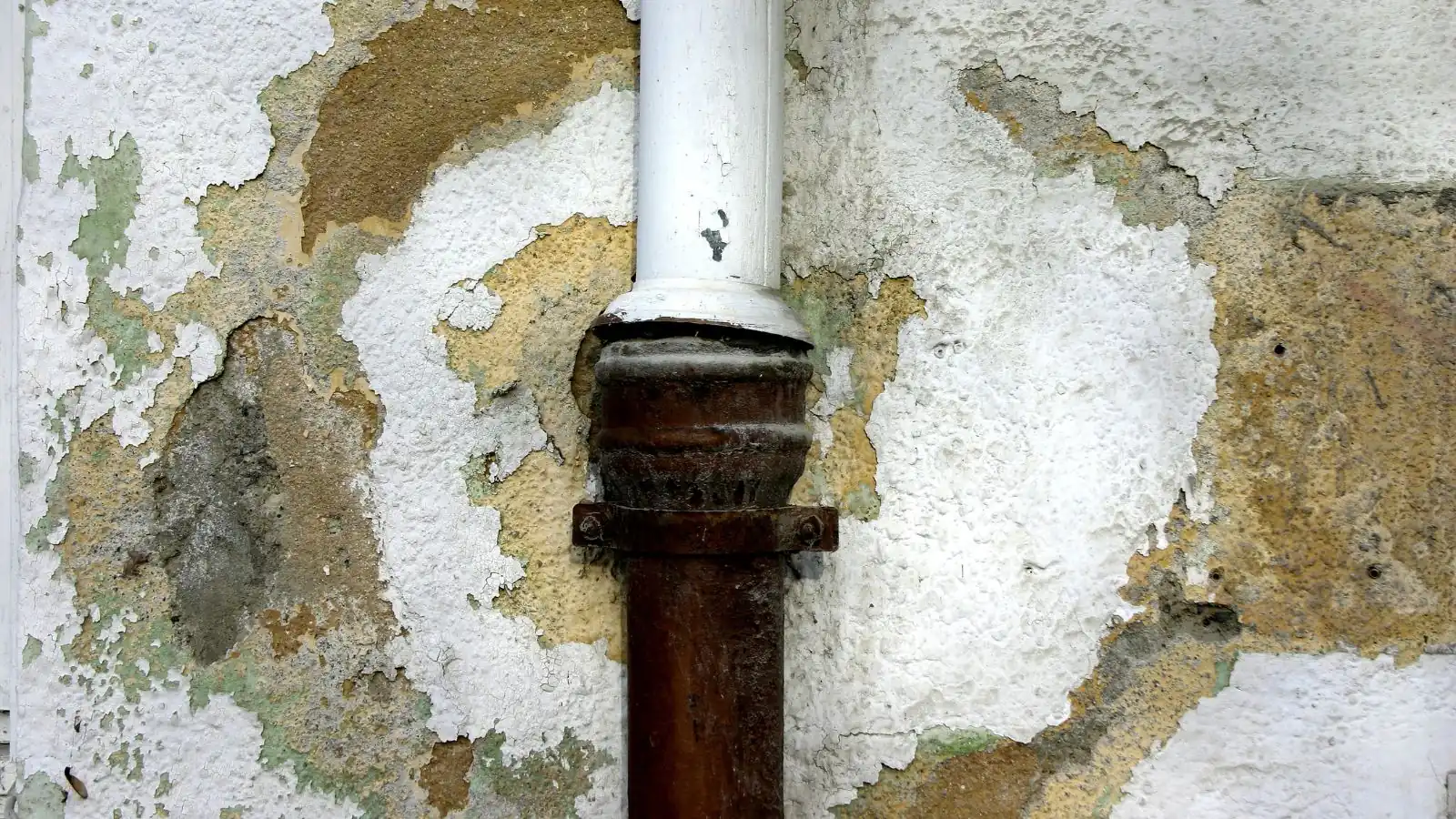
When paint bubbles, blisters or peels, moisture has usually gotten behind it. The cause can be a leak, high humidity, condensation or a poorly prepared surface. Finding which one it is decides the fix.
This guide explains the likely causes, how to test them and when repainting is safe.
Why paint bubbles
Paint bonds to a surface. When water vapor or liquid water arrives from behind, it pushes the film away and forms a blister. Bubbles that feel wet or soft point to liquid water, while dry, hard bubbles can come from heat, humidity during painting or dirty surfaces.
Location helps. Bubbles near a bathroom, kitchen sink, window or ceiling corner suggest a plumbing or envelope leak.
Common sources
| Where it appears | Likely cause |
|---|---|
| Below a bathroom or above a tub | Supply, drain or shower leak |
| Exterior walls near windows | Water entering around frames |
| Ceilings under a roof | Roof or attic condensation |
| Basement walls | Seepage or humidity |
| Near radiators or heating pipes | Leaks or temperature swings |
Call the 24/7 line.
How to check before repainting
- 1
Press gently on the bubble
Wet or soft means liquid water behind it.
- 2
Look for the source
Check plumbing, roof edges and windows.
- 3
Use a moisture reading
A meter shows if the wall is wet.
- 4
Fix the cause
A plumber or roofer stops the leak.
- 5
Dry fully
Then scrape, prime and paint.
Interior and exterior bubbling differ
Exterior paint blisters often point to moisture moving outward through the wall, for example from a bathroom fan that vents into the attic or from water getting into the siding. Interior blistering more often comes from a nearby plumbing fixture or a roof leak.
Look at which side of the wall is bubbling and what is on the other side of it. A bathroom on the opposite face of a bubbled hallway wall is a strong clue.
Condensation and humidity are also causes
Not every blister means a leak. In winter, a cold wall surface collects condensation from warm indoor air, and that moisture can lift paint over time. Bathrooms without a working fan do the same. In these cases the fix is ventilation and humidity control, not a pipe repair.
A simple test is to tape a square of plastic wrap to the wall for a day. Moisture on the room side points to humidity. Moisture under the plastic against the wall points to water coming through the wall.
Preparing a surface the right way
- 1
Remove loose paint
Scrape back to a firm edge.
- 2
Let the wall dry
Wait for readings to return to normal.
- 3
Clean and sand
Remove dust and glossy residue.
- 4
Prime with a stain-blocking primer
It seals stains from earlier moisture.
- 5
Paint in dry conditions
Avoid very humid days.
When the wall needs replacing
If drywall is soft, crumbling or stained all the way through, scraping and repainting will not hold. The material has lost its strength and should be cut out and replaced after the source is fixed. Mark the wet area with a pencil and have readings taken around it to see how far to cut.
This is also the moment to check the insulation and framing behind the wall.
Questions people ask before they repaint
A common question is how long the wall must be dry before painting. There is no single number, because it depends on the thickness of the material and the conditions in the room. The better answer is a stable moisture reading near normal for several days.
Another is whether primer alone can stop a leak. It cannot. Stain-blocking primers seal old marks, but they are not waterproofing, and a wall that is still receiving water will push through any coating.
A third is whether to hire a painter or a restoration crew. If the cause is fixed and the wall is dry, a painter is fine. If you are unsure of either, get a reading first.
Humidity habits that protect paint
Keep indoor relative humidity moderate through the heating season, run bath fans during and after showers, and vent dryers outdoors. Check that kitchen range hoods actually exhaust outside rather than recirculating.
Seal gaps around tubs and windows with fresh caulk when it cracks. A cracked bead lets water into the wall, and the first sign is often a small blister at the paint line. Catching it then is a ten minute fix instead of a wall repair.
For ceilings, check the attic for wet insulation after a rain. A roof leak often travels along a rafter before it shows up as a spot.
What not to do
Do not paint over wet paint bubbles. The new coat will fail too and can trap moisture. Do not pop and ignore a bubble that keeps returning. A dehumidifier helps with humidity but does not stop a leak.
If a wall is damp, see wall and drywall water damage repair. If the source is above, see ceiling water damage repair.
When mold may be involved
Dark spotting under bubbled paint means moisture lingered. Read about mold remediation before scraping, because disturbing growth can spread it.
Older buildings in town
The town zoning map shows a Main Street Historic District and a Town Center Village District around Glastonbury Center. Source type: municipal zoning map. Older plaster and layered paint behave differently from modern drywall, so bubbling there may be slower to dry. Ask the building department about any exterior work in those districts.
See Glastonbury Center for how layered buildings handle leaks, and Marlborough for neighboring homes.
More questions
Can I just scrape and repaint?
Only after the moisture source is fixed and the wall is dry.
How long should I wait to repaint?
Until readings show dry. It may take days.
Is bubbled paint a sign of mold?
Not by itself, but moisture behind paint can support mold.
Are older Glastonbury Center walls different?
Plaster dries more slowly. A moisture reading guides the plan.
Call the 24/7 phone line.