By the Glastonbury Water Damage Pros team · Published 2026-11-20
Homeowners in Glastonbury ask this question after nearly every leak, and the honest answer is that it depends on the policy. This guide explains the general pattern so you know what to look for before you call your insurer. It is general information and not legal or insurance advice.
The most common dividing line is between sudden and accidental events and gradual ones. A supply line that bursts overnight is often treated very differently from a pipe that dripped for months, even if the visible damage looks the same.
Sudden and accidental versus gradual
Many policies cover damage from a sudden, accidental discharge of water, such as a failed hose, a burst pipe or an overflowing appliance. They often exclude damage from long-term seepage, wear, rust or lack of maintenance. Insurers look for evidence of when the loss began, so dated photos and records matter.
If the cause is not clear, describe what you saw and when. Let the insurer decide what applies, and keep any failed part.
Flood, groundwater and sewer backup
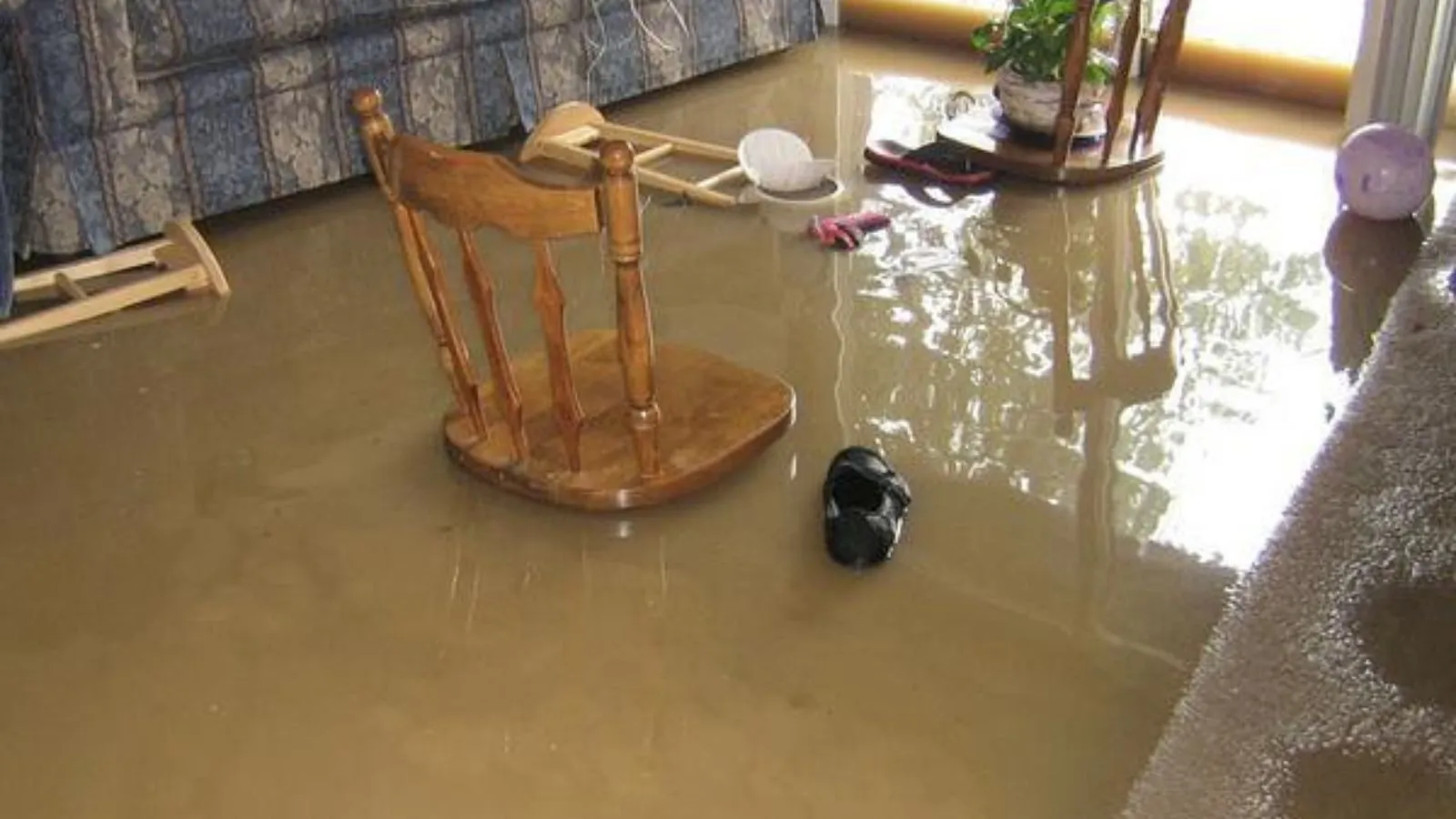
Standard policies usually exclude flood damage from rising or surface water, which generally needs a separate flood policy. Water that backs up through a drain or sump is also often excluded unless an endorsement was added. Ask your agent which endorsements you have.
This is a common surprise after a rainstorm. If your lower level took on water, read the exclusions section of your policy or ask your insurer directly.
Call the 24/7 line.
What is usually covered and what is not
Typical patterns only. Your policy wording controls.
| Cause | Often covered | Often not covered |
|---|---|---|
| Burst supply line | Sudden damage to the home | The pipe itself, wear |
| Dishwasher or washer overflow | Sudden discharge | Slow leaks over months |
| Roof leak from storm | Storm damage | Lack of maintenance |
| River or brook flooding | Only with flood coverage | Standard homeowners policy |
| Sewer or sump backup | Only with an endorsement | Standard policy |
Endorsements worth asking about
Several add-ons change how water losses are treated. Water backup and sump overflow coverage is the one most often missing after a basement event. Some policies also offer service line coverage for buried pipes and equipment breakdown coverage for appliances.
Ask your agent to read the exact endorsement language to you, and request a copy of the declarations page. It lists the deductibles, the limits and which endorsements are active. Many homeowners find out their deductible only after a loss, so it is worth knowing in advance.
Deductibles and small losses
A deductible is the amount you pay before coverage applies. If a repair costs less than the deductible, a claim pays nothing, and it may still be recorded on your claims history. For small, clearly minor leaks, many homeowners choose to pay directly.
The decision depends on the scale of the damage, which is hard to judge from the surface. A moisture reading before you decide shows whether water is limited to one spot or has traveled into the wall cavity and subfloor.
Questions to ask your insurer
Is this cause covered?
Describe the event plainly and ask how the policy treats it.
What is my deductible?
Ask if it differs for water losses or named storms.
Is mitigation covered?
Drying and water removal are often handled as part of the claim.
Do I need to keep materials?
Ask before discarding anything the adjuster may want to inspect.
Who approves repairs?
Ask how estimates and invoices are reviewed.
A realistic expectation for timing
Coverage decisions take time, and drying cannot wait for them. Wet drywall and carpet pad can begin to deteriorate within a day or two, and mold can follow. Most insurers expect you to take reasonable steps to prevent further damage while the claim is reviewed.
That means documenting first, then stopping the water and starting drying while you wait for the adjuster. Keep every receipt for temporary measures, because they are often part of the claim.
Steps that protect a claim
- 1
Stop further damage
Shut off water and make temporary protection. Insurers often require this.
- 2
Photograph everything
Capture the cause, the wet areas and damaged items.
- 3
Keep records
Moisture readings, receipts and the failed part.
- 4
Report promptly
Notify your insurer as soon as you can.
- 5
Ask before disposing
Check with your adjuster before discarding items.
Where restoration fits
A restoration company documents the damage and the drying process, which supports the record an insurer reviews. It does not decide coverage, and no one outside your insurer can promise a claim will be approved. For the work itself, see water extraction and structural drying.
Ask for the scope and price in writing before work starts, and keep drying logs.
What Glastonbury homeowners can check locally
The Connecticut Insurance Department is the state regulator for insurers, and it is the right place to ask general questions about policies and complaints. Source type: state agency.
Glastonbury's town zoning map references a FEMA Flood Insurance Study effective September 26, 2008, which is a reason to check the FEMA Flood Map Service Center for your address before assuming flood coverage is unnecessary. Source type: municipal map and federal map service. Homes in Marlborough and in areas such as Diamond Lake should check the same map.
More questions
Does my policy cover the cost of tearing out drywall?
Often yes for covered causes, since removal is part of repair. Ask your insurer which items are included.
Will filing a claim raise my premium?
It can, and policies vary. Ask your agent before filing a small claim.
How long do I have to file?
Policies set their own deadlines. Read yours or ask your insurer.
Does Glastonbury require flood insurance?
Requirements often come from lenders and mapped zones. Check the FEMA map and ask your lender.
Call the 24/7 phone line.