By the Glastonbury Water Damage Pros team · Published 2026-11-20
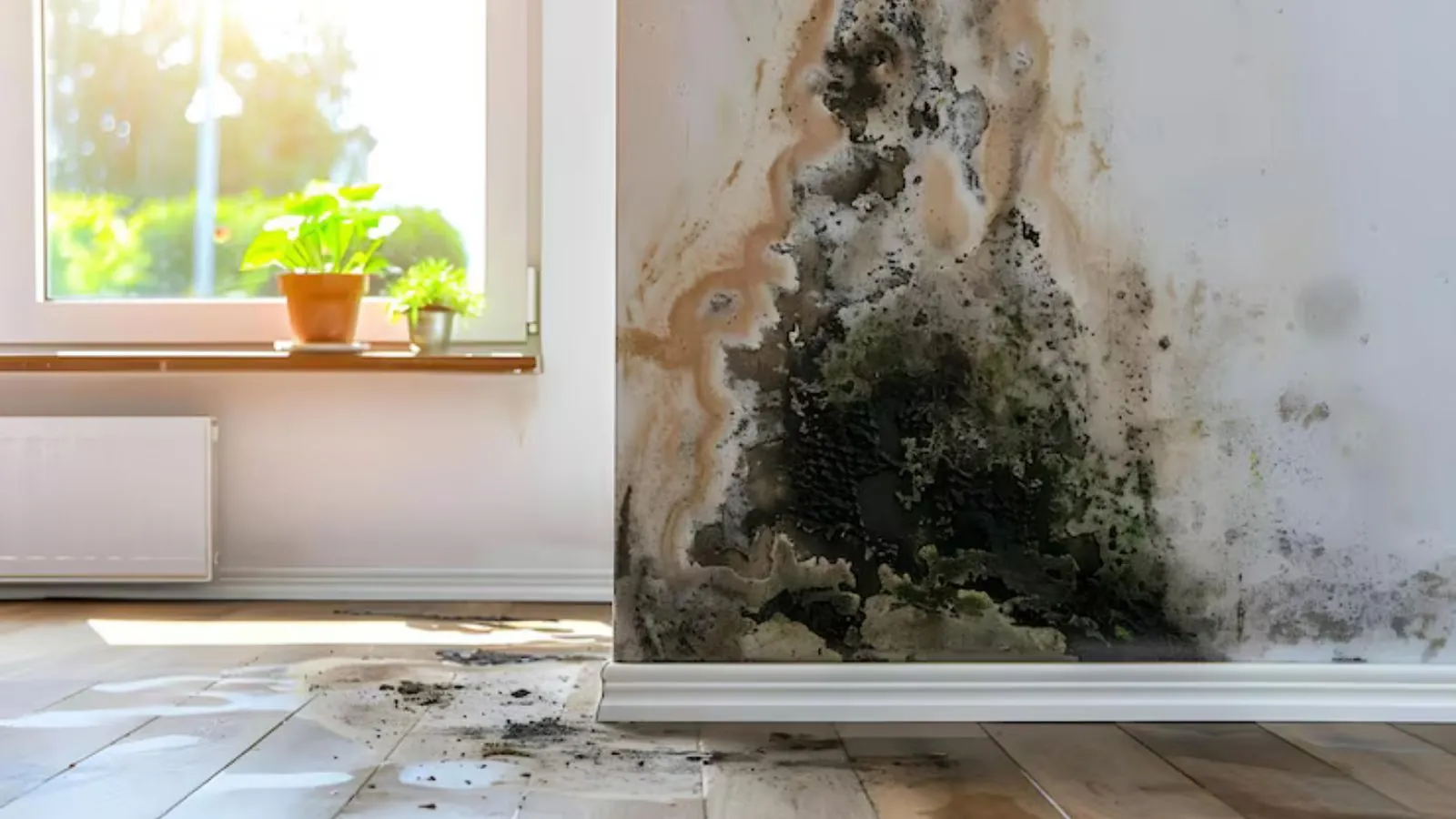
People often search for black mold in a panic after seeing dark spots on a wall or ceiling. This guide does not diagnose anything and makes no health claims. Questions about symptoms and exposure belong with a physician.
What it can do is explain what mold needs, why color is not a good judge and what a sensible response looks like.
Color does not tell you the type
Mold comes in many colors, and the same species can look different depending on the material and moisture. Dark spots are not always a particular species, and light-colored growth is not always harmless. Testing is the way to identify types, and even then it does not settle every question.
The practical focus is on moisture. Mold needs water, so the source of that water is the first thing to find.
What mold needs and where it grows
Moisture
Water from a leak, condensation or flooding.
Organic material
Drywall paper, wood, carpet pad and dust.
Time
Growth can begin within a day or two of wetting.
Low airflow
Closets, behind furniture and wall cavities.
Call the 24/7 line.
A sensible response
- 1
Stop the water
Fix the leak or condensation source.
- 2
Limit disturbance
Do not brush, fan or vacuum visible growth.
- 3
Photograph and note the area
Record size and location.
- 4
Get an assessment
A professional can judge extent and moisture.
- 5
Plan cleanup
Small hard surfaces may be cleaned, large areas need containment.
What testing can and cannot tell you
Air and surface tests report which spore types are present and in what amounts at the moment of sampling. They do not predict health outcomes, and results vary by day, room and how the sample was taken. A single test is a snapshot.
Many assessors prefer to find the moisture source and map the affected materials first. Testing can then add information, for example before and after cleanup, but it should not replace fixing the water problem.
Why moisture control comes first
Cleaning visible growth without stopping the moisture is a short-term fix. The material stays damp, and growth returns. Controlling water is therefore the main goal of any response, followed by removing contaminated porous materials and cleaning the rest.
Keeping indoor humidity moderate, running bath and kitchen fans, and fixing leaks quickly are the habits that matter most over time.
Questions to ask a professional
What is the affected area?
Ask for a written description with sizes and locations.
What is the plan?
Containment, removal, cleaning and drying should all be described.
How will you control moisture?
The source must be addressed.
How is completion verified?
Ask what clearance steps are used.
What standard do you follow?
ANSI/IICRC S520 is the usual reference for mold remediation.
A note on health questions
This page does not describe health effects, and we are not able to advise on them. If anyone in the home has symptoms or a medical condition they are worried about, speak with a physician and tell them about the moisture problem.
Meanwhile, limit disturbance of the area and keep children and pets away from it.
Common places mold shows up after a leak
| Place | Why moisture lingers there |
|---|---|
| Back of a ceiling below a bath | Water collects above the drywall |
| Bottom of exterior walls | Splashing and wicking from the foundation |
| Inside a closet by a water heater | Low airflow and warm air |
| Carpet edges at a wet wall | Pad holds water against tack strips |
| Window sills | Condensation and failing seals |
Cleanup order matters
When mold is present, the order of work is containment first, then removal of damaged porous materials, then cleaning of surfaces that can be saved, then drying and a final check. Skipping containment lets dust and spores move into clean rooms.
That is why scraping or sanding a moldy wall yourself can make a bigger problem. Use plastic barriers and keep air handlers off in the work area if you must act before help arrives.
What to do while you wait for help
- 1
Close off the room
Shut the door and seal gaps if you can.
- 2
Turn off fans pointed at the area
Moving air spreads spores.
- 3
Keep a dehumidifier running outside the area
It lowers humidity in the rest of the home.
- 4
Move belongings out gently
Bag soft items and avoid shaking them.
- 5
Write down what you see
Sizes, locations and when you first noticed it.
Why speed matters
The longer materials stay wet, the more of them are affected. A wall that is dried within a day or two often needs only cleaning, while one that stays wet for weeks may need removal. Acting early is the most reliable way to keep the job small.
If the source is still active, stop it first, even with a temporary measure such as shutting off a valve.
Cleaning yourself versus calling a crew
| Situation | Usual approach |
|---|---|
| Small spot on tile or glass | Clean with protective gear |
| Growth on drywall or ceiling | Professional removal |
| Growth after flooding or sewage | Professional handling |
| Musty smell, nothing visible | Moisture investigation |
Where to go next
Mold remediation describes containment, removal and clearance in more detail. If the cause was a leak above, see ceiling water damage repair.
Local permit note
Glastonbury's Building Department lists HVAC work as needing its own permit application, separate from building permits. Source type: town department page. If mold is found in ductwork or the HVAC system, ask the department and your HVAC contractor which permits apply.
For homes in Marlborough or Minnechaug, ask the town hall the same question. Wet closets next to an air handler are covered on the AC leak water damage page.
More questions
Should I test for mold?
Testing can help in some situations, and a professional assessment can say whether it adds value.
Is bleach the answer?
Bleach is not a complete solution for porous materials. Remove the moisture source and handle growth properly.
Can I stay in the house?
Ask a physician about health concerns, and keep the area closed off.
Does Connecticut license mold work?
Ask the state agency whether it does, since rules differ.
Call the 24/7 phone line.