By the Glastonbury Water Damage Pros team · Published 2026-11-20
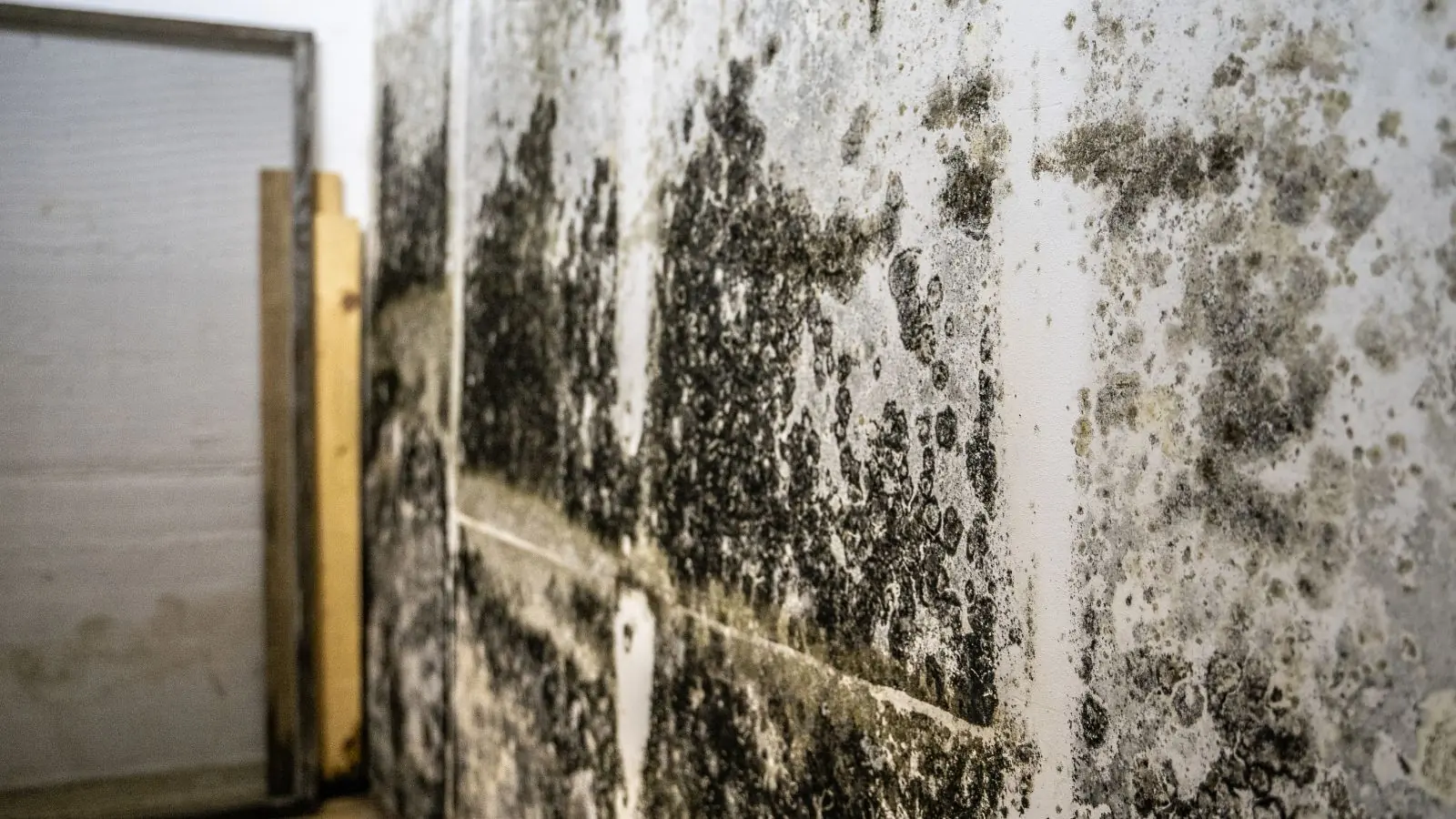
Finding dark or fuzzy spots on a wall is unsettling, and the first instinct is to scrub them off. That can spread the problem and does nothing about the cause. This guide explains what the spots usually mean, how to judge the size of the problem and what a sensible response looks like.
It makes no health claims. For symptoms or exposure concerns, talk with a physician. The focus here is the building and the moisture.
Why mold grows on walls
Mold needs moisture, a food source and time. Drywall paper, wood framing, wallpaper paste and dust all work as food. Moisture arrives as a plumbing leak, a roof or window leak, condensation on a cold surface or vapor from a bathroom that is not vented well.
Because the three ingredients are common in a house, moisture is the one you can control. Remove it and growth stops spreading, even if the stain remains.
Common wall locations and likely causes
| Where it appears | Likely cause |
|---|---|
| Exterior corners and behind furniture | Condensation on cold walls with little airflow |
| Wall beside or below a bathroom | Plumbing or shower leak, steam without a fan |
| Below a window | Leaking frame or condensation |
| Basement walls | Seepage, high humidity or a crack |
| Under a ceiling stain | Roof or upstairs plumbing leak running down |
Call the 24/7 line.
Judging how big the problem is
Look at the size of the area, the material it is on and how long the wall has been damp. A small spot on painted tile or glass is a cleaning job. Growth across a section of drywall, or growth after a leak, points to wet material inside the wall.
Tape a square of plastic wrap to a wall and leave it for a day. Moisture on the room side points to humidity and condensation. Moisture on the wall side points to water coming from inside the wall.
Safe first steps
- 1
Stop the moisture
Fix the leak, run a fan or dehumidifier and open a window if the weather allows.
- 2
Do not scrub or sand
Disturbing growth throws spores into the air.
- 3
Photograph the area
Record size, location and date.
- 4
Close off the room
Shut the door and turn off fans that blow toward it.
- 5
Get a moisture reading
A meter shows whether the wall is still wet.
What a crew does with a wall
For growth on drywall, the usual approach is containment, removal of the affected material and cleaning of the surrounding surfaces. Wet insulation behind the wall comes out as well. Once the framing reads dry, the wall is rebuilt.
This is the work described on the mold remediation page. If a leak caused the wetting, see wall and drywall water damage repair for how the repair side works.
Mold versus other wall stains
Not every dark mark on a wall is mold. Soot from candles, dust trails along a cold stud and mineral deposits from old leaks can look similar. Mold tends to appear in clusters, often fuzzy or speckled, and it follows moisture patterns. A smell that gets stronger in humid weather is another clue.
If you are unsure, a moisture reading and a professional look can sort it out. Testing is available, but many assessors start by tracing moisture, since that decides the plan whatever the stain turns out to be.
A quick sequence for the weekend
- 1
Friday evening
Photograph the wall, note the date and check for leaks above and behind.
- 2
Saturday
Run a dehumidifier and a fan pointed away from the wall, and fix any plumbing drip.
- 3
Sunday
Check the area again, press gently on the drywall and note any change.
- 4
Monday
Call for a moisture reading if the spot is larger or the wall is soft.
When a wall needs to come out
If drywall is soft, crumbling or stained all the way through, cleaning will not hold. The material has lost its strength and should be cut out after the water source is fixed. Crews cut back to clean, dry material and check the framing and insulation behind it.
Once the cavity reads dry, new drywall goes in, followed by primer and paint. Skipping the drying step is how a repair fails within a season.
Preventing a repeat
Run bathroom fans
Let them run during a shower and for a while after.
Keep furniture off cold exterior walls
Leave a gap so air can move.
Fix leaks quickly
A small drip is the most common starting point.
Watch humidity
Aim for a moderate range through the heating season.
Seal gaps
Cracked caulk at tubs and windows lets water in.
Painting over mold
Paint does not kill growth or fix moisture. A coat of paint over a damp wall will fail, and the stain often bleeds through. Clean or remove the material first, dry it and then prime with a stain-blocking primer before painting.
Older walls and local weather
The town zoning map shows a Main Street Historic District and a Town Center Village District around Glastonbury Center. Source type: municipal zoning map. Older plaster and layered paint can hide moisture for a long time, so a stain on a wall in Glastonbury Center deserves a meter reading before anyone paints.
Connecticut winters bring cold exterior walls and dry heated air, and then humid summers bring condensation. Homes in Marlborough and the rest of Hartford County see the same swings.
More questions
Is mold on a wall always a leak?
No. Condensation and poor ventilation are common causes, and a moisture meter helps tell the difference.
Can I wipe it off with bleach?
Bleach is not a complete answer, especially on porous materials. Fix the moisture first.
How do I know if it is inside the wall?
Soft drywall, a musty smell and readings above normal suggest it is.
Do I need to test the mold?
Testing is optional in many cases. Ask a professional whether it would add anything for your situation.
Call the 24/7 phone line.