By the Glastonbury Water Damage Pros team · Published 2026-11-20
Water damage rarely begins with a flood. More often it starts with a stain, a smell or a floor that no longer lies flat. Catching these signs early keeps a repair small and lowers the chance of mold.
This list covers visible, audible and smellable signs. None is proof alone, and a moisture reading is the reliable way to confirm.
What you can see
Stains
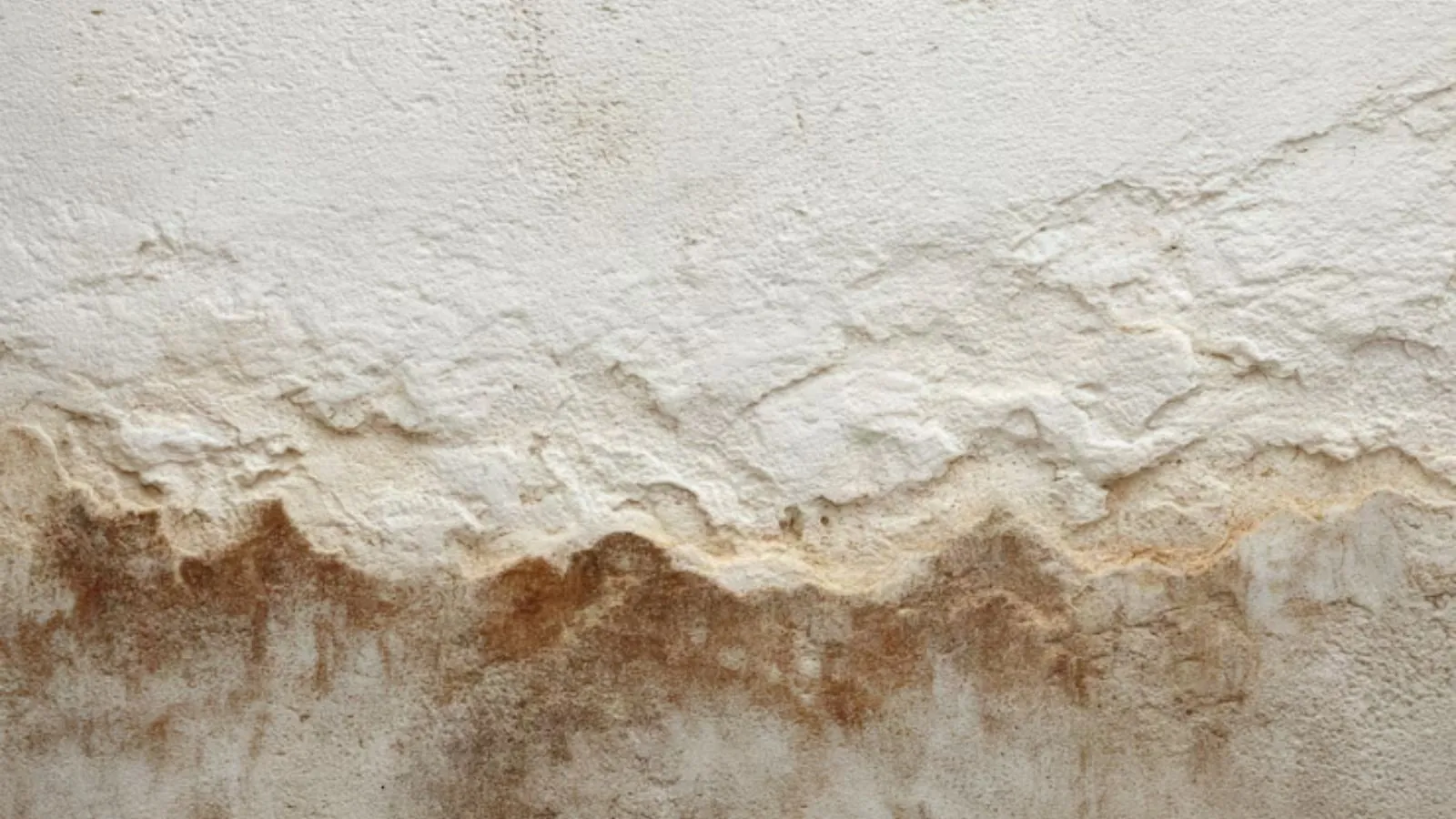
Brown or yellow rings on ceilings and walls, often with darker edges.
Peeling or bubbling paint
Moisture pushes paint off the surface.
Warped floors
Boards that cup, buckle or separate.
Soft spots
Drywall or flooring that gives when pressed.
Dark spotting
Mold-like patches in corners, closets or behind furniture.
What you can smell and hear
A musty smell in a room, closet or basement usually means moisture and something growing on it. Dripping, hissing or running water sounds when everything is off are signs of a leak in a wall or under a floor.
A water meter that keeps moving with all fixtures off is another clue, as is a bill that rises without explanation.
Call the 24/7 line.
Where to check first
| Place | What to look for |
|---|---|
| Under sinks and behind toilets | Stains, soft cabinet floors, rust on connections |
| Around the water heater | Pooling, rust, dampness at the base |
| Ceilings under bathrooms | Rings, bubbling, sagging |
| Basement walls and corners | Efflorescence, damp patches, odor |
| Near the air handler | Drip pan water, stained ceiling |
Seasonal patterns in Connecticut homes
Water problems follow the calendar. In winter, supply lines in exterior walls and unheated spaces can freeze and split, and the damage shows when they thaw. In spring, snowmelt and heavy rain test basements, window wells and roof edges. In summer, air conditioning produces condensate that can overflow a drain pan.
Knowing the season helps you guess the source. A stain that appears after a thaw points to a pipe or an ice dam. A damp basement after a storm points to drainage. A ceiling spot below an air handler in July points to the condensate line.
What a moisture reading tells you
A moisture meter reports the water content of a material. Drywall, wood and concrete each have their own normal range, and readings above that range suggest the material is wet. A meter does not diagnose a source, but it maps the wet area and shows whether it is growing or shrinking over days.
Thermal imaging adds a picture of temperature differences, which can reveal cool, wet areas behind a finished wall. Used together, the two tools find hidden moisture without cutting open every wall.
Signs that are easy to dismiss
A higher water bill
A leak can run quietly for weeks before anything is visible.
A door that sticks
Humid wood swells and changes how a door closes.
Loose floor tiles
Moisture under tile weakens the bond.
Rust at a connection
Slow weeping leaves a rust trail on metal fittings.
Itchy air or stuffiness
A damp room often smells different even before stains appear.
A simple monthly check
- 1
Look under every sink
Use a flashlight and press the cabinet floor.
- 2
Read the water meter
Note the dial with all fixtures off, then check an hour later.
- 3
Check the water heater base
Look for rust rings and pooling.
- 4
Scan ceilings and corners
Look for new stains or sagging.
- 5
Inspect the basement
Check walls, floor edges and window wells after rain.
When to call a plumber and when to call a restoration crew
A plumber finds and repairs the failed pipe or fixture. A restoration crew removes water, dries the structure and handles damaged materials. After a leak, both are often needed, and the order is the plumber first so water stops, then drying.
If you are not sure where water is coming from, shut off the main supply and call. A pipe that is still leaking cannot be dried around.
For water already on the floor, see water extraction, and for supply line failures, see burst pipe water damage.
What to do when you spot one
- 1
Find and stop the source
Shut off the water if a leak is active.
- 2
Photograph and date it
A record helps later.
- 3
Check around it
Water travels, so look above, below and beside.
- 4
Get a reading
Meters show whether the area is wet.
When a sign means act now
A sagging ceiling, active dripping, a wet area near electrical outlets and any sewage odor are urgent. See ceiling water damage repair for ceilings and wall and drywall repair for walls. For a stain you are unsure about, a moisture check tells you whether it is old or active.
Local water context
The Connecticut River forms Glastonbury's western boundary, and most of town drains toward it through Hubbard, Roaring, Salmon and Slab Gut Brooks, according to the regional hazard mitigation profile. Source type: regional planning agency. That is a reason to watch lower levels after heavy rain and to check the FEMA flood map for your address.
The same signs apply in Marlborough and in Minnechaug, where homes of different ages hide different leaks.
More questions
How can I tell if a stain is old or new?
A dry, stable stain with no odor is often old. A growing, damp or smelly one is active. A moisture meter settles it.
Can I find hidden leaks without cutting walls?
Often. Meters and thermal imaging show wet areas, and small inspection holes confirm.
Is a musty smell always mold?
Not always, but it points to moisture. Find the source.
Which part of Glastonbury is most affected by flooding?
We cannot say for an address. Check the FEMA map and ask the town.
Call the 24/7 phone line.