By the Glastonbury Water Damage Pros team · Published 2026-11-20
When you call about water damage, you may hear several terms: mitigation, restoration and remediation. They are often mixed up, even by companies. Each one describes a stage of work, and the stages come in an order.
This guide explains each term in plain language and shows how to use the terms when comparing proposals.
Short definitions
| Term | Meaning |
|---|---|
| Mitigation | Actions that stop further damage, such as removing water and drying |
| Restoration | Returning the building to its pre-loss condition, including repairs |
| Remediation | Removing or controlling a specific hazard, such as mold or contamination |
Mitigation comes first
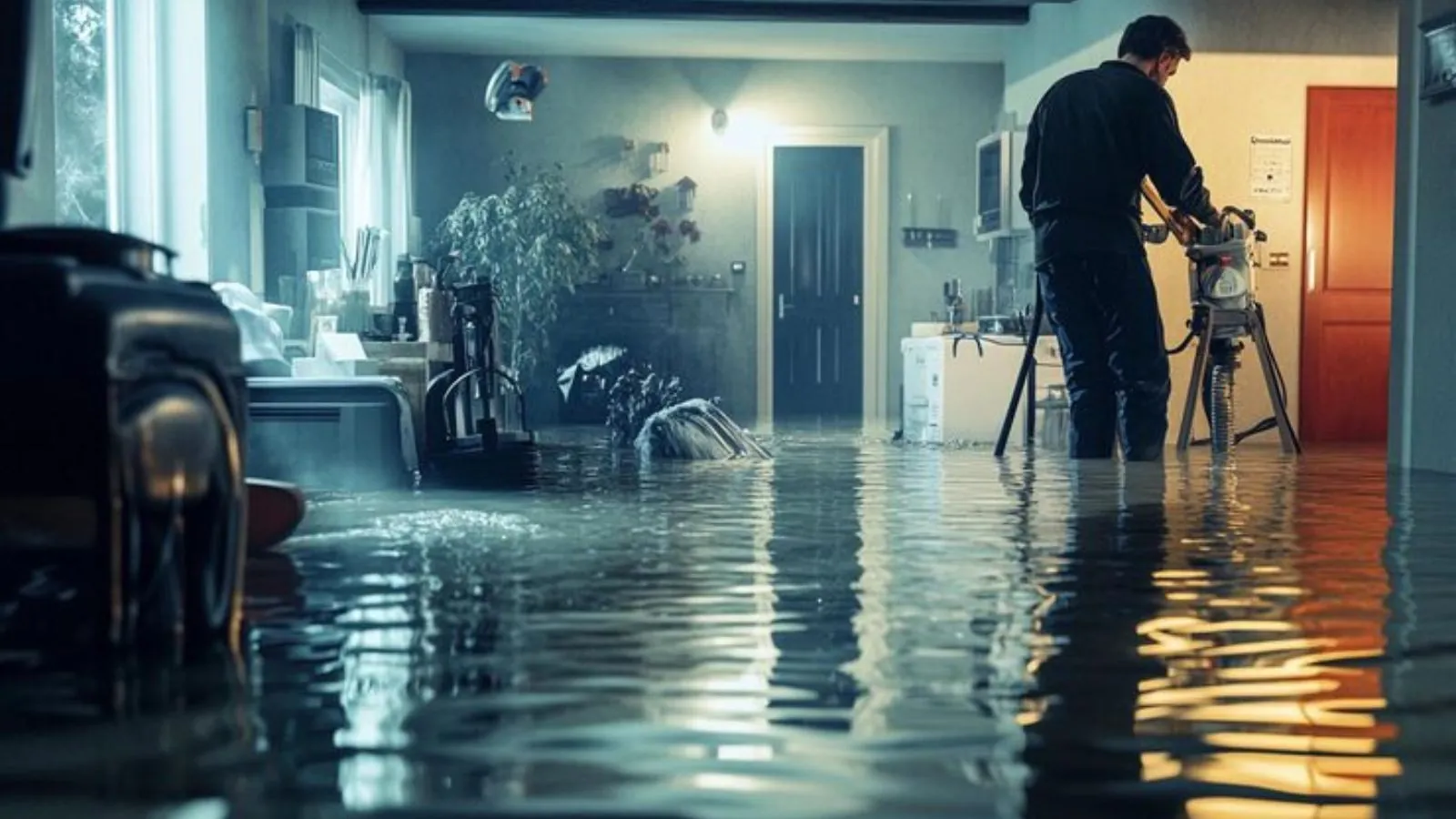
Mitigation is the emergency stage. It includes stopping the water source, extracting standing water, placing drying equipment and monitoring readings. The goal is to keep the damage from growing.
This stage runs on a clock. Wet drywall and carpet pad can begin to break down within a day or two, so mitigation is usually started before repairs are even scoped.
Call the 24/7 line.
Restoration is the wider job
Restoration includes mitigation and also the rebuilding steps: replacing drywall, flooring, insulation and finishes. A company that calls itself a restoration company may do all of it or may hand the rebuilding to a general contractor.
Ask which part of the work the company will do and which part will be done by others.
Remediation targets a hazard
Remediation usually refers to dealing with a hazard in the building, such as mold growth or sewage contamination. The ANSI/IICRC S520 standard is the reference for mold remediation, and S500 covers water damage restoration in general.
Remediation can be part of a restoration job. A burst pipe may need drying only, while a sewage backup may need drying and remediation.
Who does what
| Stage | Typical provider |
|---|---|
| Emergency mitigation | Restoration company with extraction and drying equipment |
| Plumbing repair | Licensed plumber |
| Mold or contamination work | Restoration or remediation firm following S520 or S500 practices |
| Rebuild and finish | General contractor or the restoration company |
| Electrical repair | Licensed electrician |
Why the order matters
The order is source control, mitigation, any remediation, then rebuild. Reversing it causes trouble. Rebuilding before drying traps moisture, and remediation before the source is fixed brings growth back.
A good company explains the order in your proposal and tells you where each trade fits. If the schedule seems out of order, ask why.
Common mix-ups
A company may advertise remediation when it means drying. Another may call a small mold cleanup restoration. The words matter less than the scope. Look at the tasks listed and ignore the label.
If a proposal mentions a standard, ask how it applies to your loss. The ANSI/IICRC S500 and S520 documents are references, and we do not claim firm certification. A company should be able to explain its plan in plain words.
A mold example, step by step
- 1
Fix the source
A plumber repairs the leak.
- 2
Mitigate
Standing water is removed and the structure is dried.
- 3
Contain
Plastic barriers and negative air isolate the affected area.
- 4
Remediate
Damaged materials are removed and surfaces are cleaned.
- 5
Verify
Readings and a visual check confirm the work.
- 6
Rebuild
New materials go in after clearance.
A sewage example
Sewage backup brings contaminated water into the home, so remediation is part of the job from the start. Porous materials that soaked up the water are removed, surfaces are cleaned and treated and the area is dried. Rebuild begins after the area has been checked.
Mitigation and remediation overlap here, and the scope should show how the crew handles both.
Questions to ask
Which stages are included?
Ask for mitigation, remediation and rebuild separately.
What standard guides the work?
Ask how S500 or S520 applies.
How is completion shown?
Look for readings and written notes.
Who handles rebuilds?
Ask who holds the permits.
How the terms show up in insurance paperwork
Adjusters often write separate line items for emergency services and for repairs. Emergency services cover mitigation, such as extraction and drying. Repairs cover rebuilding. Remediation items may appear under either heading, depending on the policy and the carrier.
Ask your adjuster which headings they use, and ask the restoration company to label its scope the same way. Matching labels make the review go faster and cut down on back and forth.
Keep a single folder for the claim, with the scope, estimate, readings and photos.
Reading a proposal
- 1
Find the stages
Look for mitigation, restoration and remediation items.
- 2
Check who does each part
Some stages may be subcontracted.
- 3
Look for readings
A drying plan should include moisture monitoring.
- 4
Ask for the scope in writing
It should list rooms and materials.
- 5
Ask about repairs
Rebuilding may be separate from drying.
Why the words matter for insurance
Insurers often handle mitigation and repair on different timelines. Emergency mitigation may be reviewed quickly, and repair estimates take longer. Using the right terms makes it easier to talk with an adjuster.
See mold remediation for how that stage works and structural drying for mitigation.
Local rules for repairs
Rebuilding after a loss may need permits from the town. The Glastonbury Building Department says permits are required to construct or alter buildings and that normal maintenance and minor repairs do not need one. Source type: town department page.
In Marlborough the same question goes to the local building office. For older buildings in Glastonbury Center, ask early about any historic district review.
More questions
Is mitigation the same as drying?
Drying is the main part of mitigation, together with stopping the source and removing water.
Does remediation always mean mold?
No. It can also mean contamination such as sewage.
Who does the rebuilding?
It depends on the company. Ask who will do it.
Do I need all three stages?
Not always. A small clean leak may need mitigation and a small repair.
Call the 24/7 phone line.