By the Glastonbury Water Damage Pros team · Published 2026-11-20
Home inspectors look for signs of past and present moisture, and buyers pay close attention to what they find. A repaired leak with good records is usually a smaller issue than a mystery stain with none.
This guide is general information and not legal advice. Disclosure rules are set by state law, so ask your agent or attorney what applies to your sale.
What buyers and inspectors look for
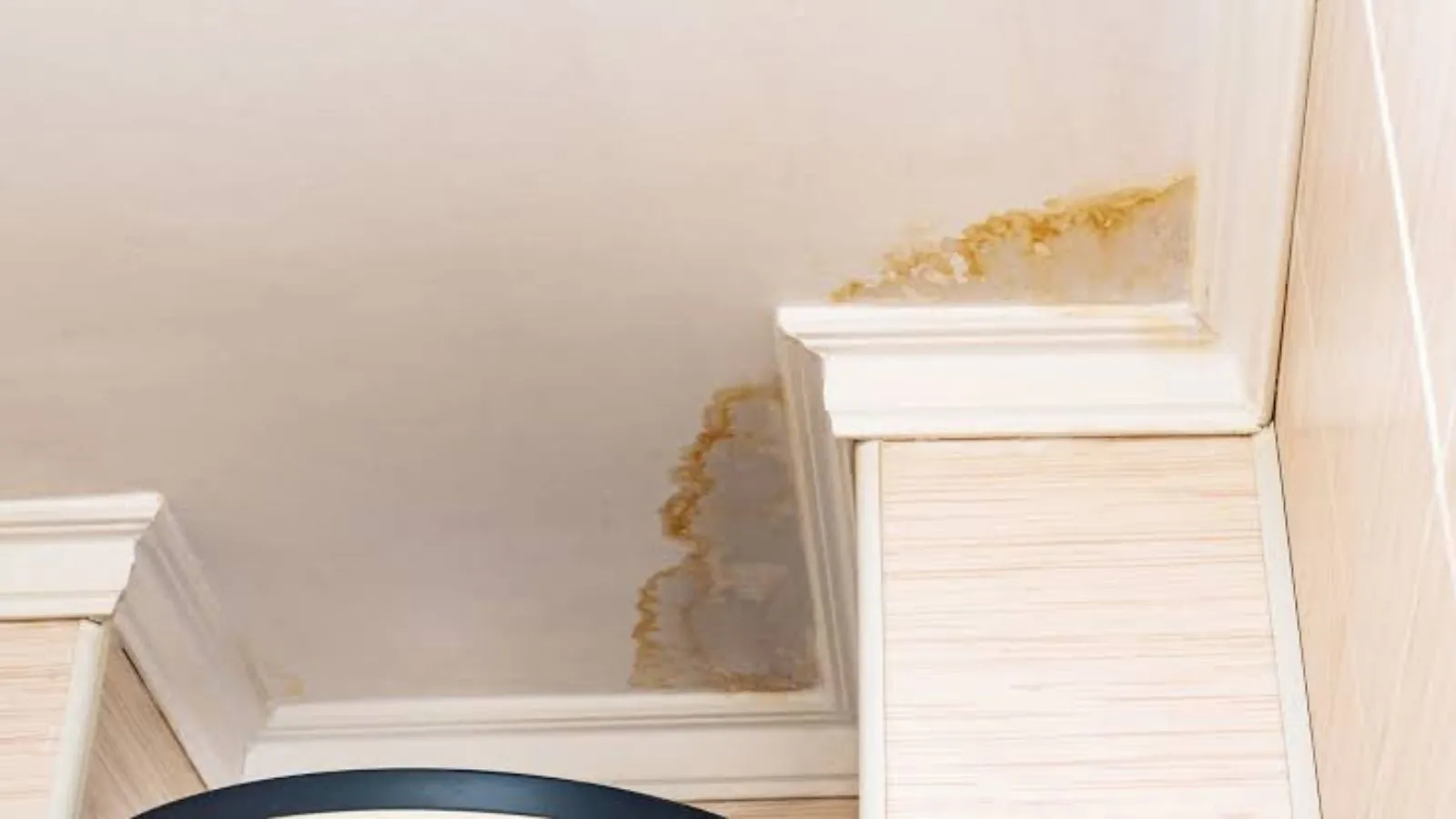
Stains and repaint marks
New paint in one spot draws questions.
Musty odors
A closed-up basement tells a story.
Soft or warped flooring
Subfloor moisture shows at the surface.
Efflorescence on foundation walls
White mineral deposits show past seepage.
Active moisture readings
Meters turn up what the eye misses.
Build a repair file
Gather invoices, drying logs, moisture readings, photos and any permit records for past water work. If a plumber replaced a failed line or a crew dried a basement, keep the paperwork together.
A file with dated records shows a buyer what happened and how it was fixed. It is also useful for your own reference, and some insurers ask for similar records at renewal.
Call the 24/7 line.
Before you list
- 1
Fix active leaks
Get repairs done by licensed trades.
- 2
Get readings in suspect areas
Know what an inspector will find.
- 3
Address humidity
Fix gutters, grading and ventilation.
- 4
Replace damaged materials
Do not paint over stains.
- 5
Assemble the file
Keep paper and digital copies.
What repairs a buyer may ask about
| Item | What to have ready |
|---|---|
| Past basement water | Dates, source, repairs and readings after drying |
| Roof or ceiling leak | Invoice for roof work and a dry reading |
| Burst pipe | Plumber invoice and drying logs |
| Mold cleanup | Scope of work and clearance notes |
| Appliance leaks | Receipts for replaced parts |
Presenting the file
A tidy binder or a single digital folder makes it easy to share records with a buyer's agent. Include a short written summary that lists each event in order, with dates and what was done. Keep it factual.
Avoid adding opinions or guesses about causes you are not sure of. State what you know and attach the paperwork.
Timing repairs before listing
Repairs take time. Drying, rebuilding and finishing can add days or weeks, and permits may be needed for larger work. Start early so the home can be shown in good condition.
If you are selling soon and a small stain appears, have it checked right away. A quick reading may show that the area is dry and the stain is old, and that is easier to explain than a question that goes unanswered.
Working with agents and inspectors
Tell your agent about past water issues before photos are taken. An agent who knows the history can describe the home accurately and avoid surprises. If a buyer's inspector flags moisture, you can respond with records and readings.
Where there is a dispute about a repair, a written scope from a licensed trade is more helpful than a verbal explanation.
Common seller questions
Many sellers ask whether to repair or sell as is. The right answer depends on the size of the problem, the market and your timeline. A clean record and a finished repair usually make a sale smoother, while an unresolved issue pushes buyers to ask for credits.
Another common question is whether an insurance claim has to be disclosed. Claims can show up in property reports, so ask your agent or attorney before you answer.
Finally, sellers ask whether the buyer's lender will care. Some lenders and insurers do look at past losses, so a clear explanation helps.
A plain-language summary page
Write one page that lists each event: the date, what happened, who fixed it and what proof you have. Keep the language simple, and attach receipts. A buyer who sees a clear page often relaxes, while one who sees nothing assumes the worst.
Disclosure and honesty
State rules require sellers to disclose certain known conditions, and the wording matters. Ask your agent or attorney for the correct forms, and describe past issues plainly and factually. Concealing known water damage often leads to bigger problems after closing.
Where you are unsure whether something counts, ask before the listing goes live.
If an inspection finds moisture
A reading above normal does not always mean a defect. It may reflect a recent rain, a closed room or a dry-out in progress. Ask the inspector for photos and readings, then have a restoration company or plumber look at the source.
Depending on the cause, see wall and drywall repair or basement water damage.
Records worth gathering locally
The Glastonbury Building Department takes permit applications through its online portal, and permits are required for water heater replacement and plumbing fixture changes. Source type: town department page. A closed permit for past plumbing work is a useful record to include in your file.
Buyers also check the FEMA flood map for the property, and the town zoning map references a Flood Insurance Study effective September 26, 2008. Source type: municipal zoning map. Sellers in Marlborough and Minnechaug should know their zone before listing.
More questions
Do I have to disclose past water damage?
State law sets the rules. Ask your agent or attorney what applies.
Should I repaint stains before listing?
Fix the cause first, and keep records of the repair.
Will an inspector use a moisture meter?
Many do, so know what yours would show.
Does a repaired leak lower the value?
Often less than an unexplained issue. Records help.
Call the 24/7 phone line.